Color is more than decoration — it’s communication. In graphic design, color influences perception, emotion, and behavior. The right color choices can build trust, inspire action, and strengthen brand recognition, while poor color decisions can confuse or even repel your audience.
Understanding the psychology of color in graphic design allows businesses and designers to create meaningful visual experiences that resonate with their target audience.
Why Color Psychology Matters in Design
Color affects:
- Emotional response
- Brand perception
- Purchasing decisions
- User engagement
- Readability and usability
Research in marketing and design consistently shows that consumers form judgments about products within seconds — and color plays a major role in that first impression.
For brands like Coca-Cola or Facebook, color is a defining element of identity and recognition.
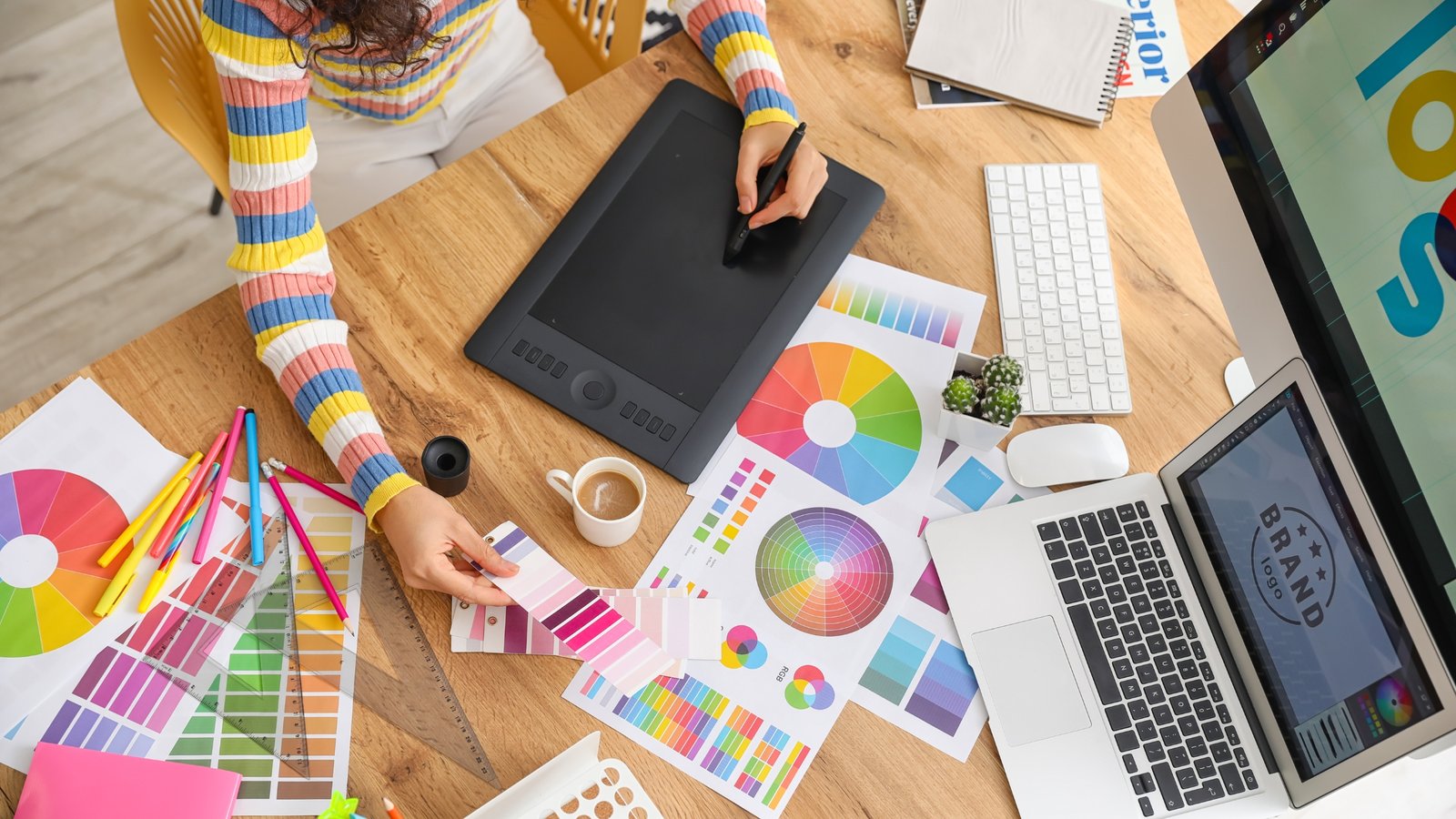
Understanding Basic Color Theory
Before diving into psychology, it’s important to understand foundational color concepts:
1. Primary Colors
Red, blue, and yellow — the base of all other colors.
2. Secondary Colors
Green, orange, and purple — created by mixing primary colors.
3. Tertiary Colors
Combinations of primary and secondary colors.
4. Warm vs Cool Colors
- Warm colors (red, orange, yellow) evoke energy and urgency.
- Cool colors (blue, green, purple) suggest calmness and trust.
Designers often use tools like Adobe Color to create balanced and harmonious palettes.
Emotional Associations of Common Colors
While interpretations can vary across cultures, certain color associations are widely recognized.
Red – Energy and Urgency
- Passion
- Excitement
- Urgency
- Action
Red is often used for call-to-action buttons and clearance sales.
Example: YouTube uses red to stimulate engagement and action.
Blue – Trust and Stability
- Reliability
- Security
- Professionalism
- Calmness
Blue is popular in finance and technology industries.
Brands like IBM and PayPal use blue to communicate trust.
Green – Growth and Health
- Nature
- Balance
- Sustainability
- Wellness
Green is common among eco-friendly and health-focused brands.
Yellow – Optimism and Attention
- Positivity
- Warmth
- Creativity
Yellow attracts attention but should be used carefully to avoid visual fatigue.
Black – Luxury and Sophistication
Luxury brands often rely on black for premium positioning.
Purple – Creativity and Royalty
- Innovation
- Imagination
- Luxury
Purple is often associated with creativity-driven brands.
How Color Influences Buying Decisions
Color can:
- Increase brand recognition
- Influence perceived value
- Create urgency
- Trigger emotional connections
For example, limited-time offers often use red or orange to create urgency, while premium services may rely on darker, muted tones for exclusivity.
The right color strategy can directly impact conversion rates.
Color Psychology in UI/UX Design
In digital interfaces, color affects usability and accessibility.
Key considerations:
- Maintain sufficient contrast for readability
- Use consistent brand colors
- Highlight important actions with accent colors
- Avoid overwhelming users with too many colors
Platforms like Figma allow designers to test color combinations and ensure accessibility compliance.
Cultural Differences in Color Interpretation
Color meanings can vary globally.
For example:
- White symbolizes purity in Western cultures but mourning in some Eastern cultures.
- Red represents luck in China but urgency or danger in other regions.
When designing for international audiences, cultural context must be considered carefully.
Tips for Using Color Strategically
1. Define Your Brand Personality
Ask:
- Is your brand bold or calm?
- Premium or affordable?
- Playful or professional?
Your answers guide your color choices.
2. Limit Your Palette
Stick to:
- 1–2 primary brand colors
- 1–2 accent colors
- Neutral backgrounds
Too many colors reduce clarity and professionalism.
3. Ensure Accessibility
Use sufficient contrast between text and background.
Accessibility improves inclusivity and user experience.
4. Test Before Finalizing
Use A/B testing to compare different color variations in:
- Call-to-action buttons
- Landing pages
- Ads
- Email campaigns
Data-driven decisions outperform assumptions.
Common Mistakes in Color Usage
- Using trendy colors without strategy
- Ignoring contrast and readability
- Overusing bright tones
- Inconsistent branding across platforms
- Choosing colors without understanding audience psychology
Color decisions should always align with brand strategy and user expectations.
The Business Impact of Color Psychology
When used correctly, color can:
- Strengthen brand recognition
- Increase engagement
- Improve conversion rates
- Build emotional connections
- Differentiate from competitors
Color is one of the most powerful tools in a designer’s arsenal — and one of the most underestimated.
Final Thoughts
The psychology of color in graphic design goes far beyond aesthetics. It shapes perception, influences emotions, and drives decisions.
By understanding color theory, emotional triggers, and cultural context, designers and businesses can create visuals that not only look beautiful but also communicate effectively and convert successfully.
In graphic design, color isn’t just what people see — it’s what they feel.