
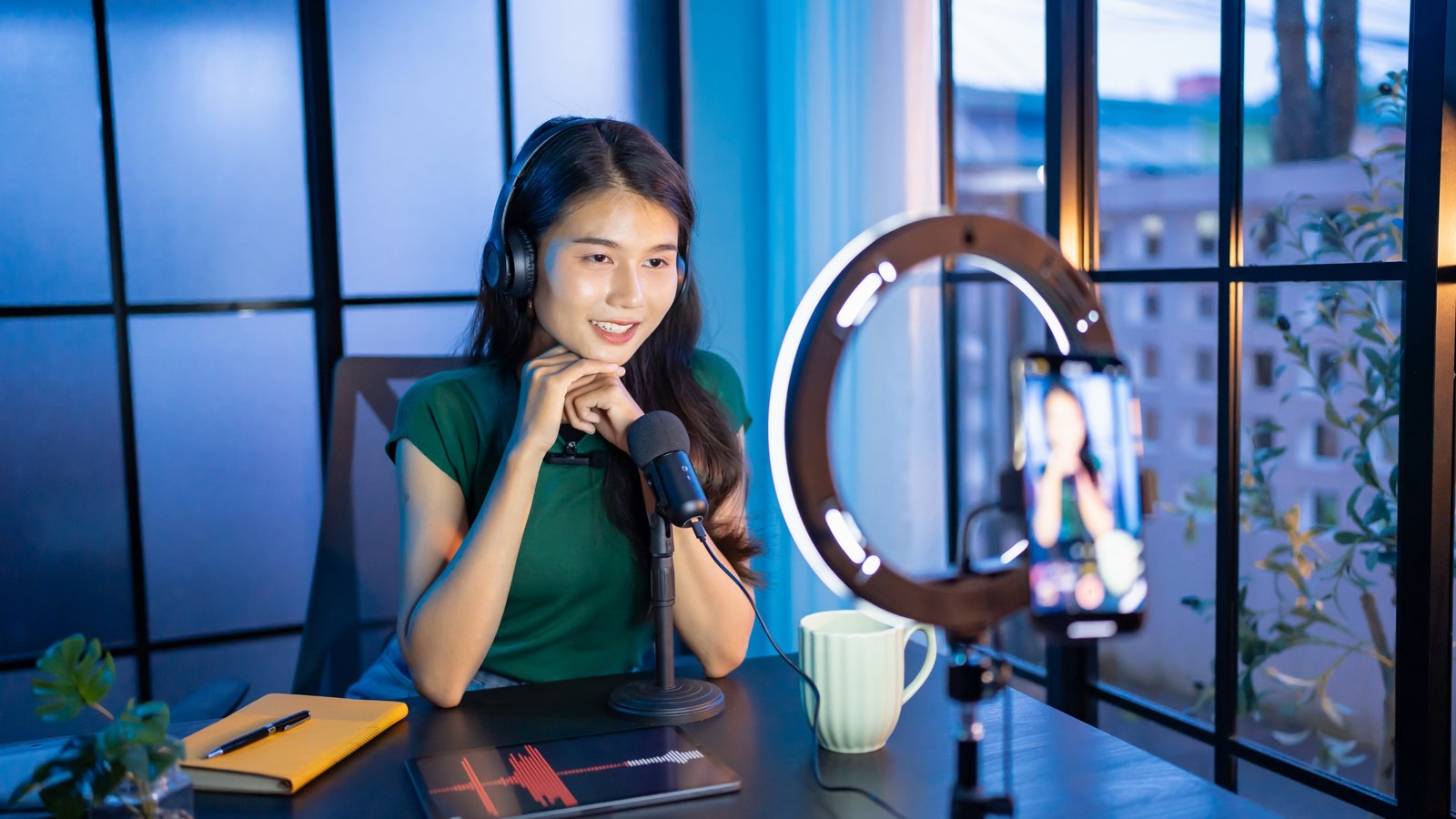
Influencer marketing has transformed the way businesses connect with their audience. Instead of traditional advertising, brands now collaborate with trusted voices who already have engaged communities. But success doesn’t come from choosing the influencer with the biggest following — it comes from learning how to Find the Perfect Influencer for your brand.
The right Influencer Marketing approach can increase brand awareness, drive engagement, and boost conversions. However, selecting the wrong influencer can waste budget and damage credibility. In this comprehensive guide, we’ll explore how to identify, evaluate, and partner with influencers that align with your brand goals.
Why Influencer Marketing Matters in Today’s Digital Landscape
Consumers trust recommendations from individuals more than traditional advertisements. Influencer Marketing leverages this trust to build authentic connections.
Key benefits include:
- Increased brand visibility
- Stronger audience engagement
- Higher conversion rates
- Improved social proof
- Better ROI compared to traditional ads
When integrated with Social Media Marketing, influencer campaigns can significantly amplify your digital presence.
Step 1: Define Your Influencer Marketing Strategy
Before you Find the Perfect Influencer, clarify your objectives.
Ask yourself:
- Are you aiming for brand awareness?
- Do you want more website traffic?
- Are you launching a new product?
- Is your goal to generate sales?
A clear Influencer Marketing Strategy ensures you choose influencers who align with your goals rather than just their follower count.
Step 2: Understand Your Target Audience
The foundation of successful Brand Collaboration is audience alignment.
Identify:
- Age group
- Location
- Interests
- Purchasing behavior
- Social media platform preferences
The influencer’s audience should closely match your target demographic. Otherwise, even a large following won’t translate into meaningful results.
Step 3: Choose the Right Type of Influencer
Not all influencers are the same. The size of their audience often determines the type of impact they can generate.
Nano Influencers (1K–10K followers)
- Highly engaged niche audiences
- Cost-effective partnerships
- Strong community trust
Micro Influencers (10K–100K followers)
- Balanced reach and engagement
- Ideal for targeted campaigns
Macro Influencers (100K–1M followers)
- Larger visibility
- Suitable for broader campaigns
Mega Influencers (1M+ followers)
- Massive reach
- Higher costs
- Best for major brand awareness initiatives
Your Influencer Marketing Strategy should determine which type best fits your campaign.
Step 4: Evaluate Engagement Over Follower Count
Many brands make the mistake of focusing only on follower numbers. Engagement rate is far more important.
When trying to Find the Perfect Influencer, analyze:
- Likes and comments per post
- Quality of interactions
- Story views
- Audience sentiment
- Content authenticity
High engagement indicates trust and influence, which drives better campaign results.
Step 5: Assess Content Quality and Brand Alignment
Influencers represent your brand publicly. Their style, tone, and values must align with your business identity.
Check for:
- Content consistency
- Professional presentation
- Authentic storytelling
- Relevance to your industry
Effective Brand Collaboration depends on shared values and messaging consistency.
Step 6: Research Audience Authenticity
Fake followers and bots can severely impact campaign performance.
Use analytics tools to examine:
- Sudden follower spikes
- Suspicious engagement patterns
- Audience demographics
- Comment authenticity
Successful Influencer Outreach requires due diligence to ensure real audience reach.
Step 7: Select the Right Platform for Social Media Marketing
Different platforms serve different purposes.
Ideal for lifestyle, fashion, travel, and product-based brands.
YouTube
Best for detailed product reviews and long-form content.
TikTok
Great for viral, creative, and trend-based campaigns.
Suitable for B2B Influencer Marketing.
Your Social Media Marketing strategy should guide platform selection.
Step 8: Plan Clear Collaboration Terms
Once you Find the Perfect Influencer, define expectations clearly.
Discuss:
- Campaign objectives
- Content deliverables
- Posting schedule
- Compensation structure
- Usage rights
Transparent Brand Collaboration reduces misunderstandings and ensures smoother execution.
Step 9: Create Authentic Campaign Briefs
Influencers know their audience best. Provide guidelines but allow creative freedom.
Avoid:
- Over-scripted messaging
- Excessive promotional tone
- Restrictive content rules
Authenticity drives engagement in Influencer Marketing campaigns.
Step 10: Track Performance and Optimize
Measuring campaign success is essential.
Track metrics such as:
- Engagement rate
- Click-through rate
- Website traffic
- Conversion rate
- Cost per acquisition
Analyzing data improves future Influencer Marketing Strategy decisions.
Common Mistakes to Avoid When Choosing Influencers
Avoid these common pitfalls:
- Prioritizing follower count over relevance
- Ignoring audience demographics
- Skipping performance tracking
- Choosing influencers outside your niche
- Failing to establish clear contracts
Strategic Influencer Outreach reduces risk and improves ROI.
How Influencer Marketing Supports Digital Marketing Services
Influencer campaigns work best when integrated into broader Digital Marketing Services.
They complement:
- Social Media Marketing campaigns
- Content marketing strategies
- Paid advertising efforts
- Email marketing funnels
- Brand awareness initiatives
When aligned properly, influencer campaigns amplify overall marketing performance.
Long-Term Relationships vs One-Time Campaigns
Building long-term partnerships often delivers stronger results than one-time collaborations.
Benefits include:
- Consistent brand messaging
- Increased audience trust
- Stronger brand association
- Better cost efficiency over time
Ongoing Brand Collaboration creates deeper connections.
Future Trends in Influencer Marketing
The Influencer Marketing landscape continues evolving.
Emerging trends include:
- AI-driven influencer discovery
- Data-based performance prediction
- Micro-influencer growth
- Performance-based compensation models
- User-generated content partnerships
Businesses that adapt their Influencer Marketing Strategy stay competitive.
Final Thoughts: Finding the Right Fit for Long-Term Success
Learning how to Find the Perfect Influencer is about alignment, strategy, and authenticity — not just popularity. By focusing on audience relevance, engagement quality, and shared brand values, businesses can unlock the true potential of Influencer Marketing.
When executed correctly, influencer partnerships:
- Increase brand awareness
- Improve engagement
- Drive conversions
- Strengthen customer trust
- Deliver measurable ROI
Influencer marketing is not just a trend — it’s a powerful growth tool in modern Digital Marketing Services.

Latest Blogs



Categories
Want To Explore More? Check Out Our
Related Blogs

 developer@webvisionsolution.com
March 9, 2026
developer@webvisionsolution.com
March 9, 2026
Content Marketing for Lead Generation: Strategies for Nurturing Prospects in 2026
In the evolving world of Influencer Marketing, brands are shifting focus from celebrity endorsements to…
 developer@webvisionsolution.com
March 9, 2026
developer@webvisionsolution.com
March 9, 2026
The Future of Affiliate Marketing: Trends and Predictions for Success
Affiliate marketing has consistently been a cornerstone of digital marketing strategies, helping businesses grow revenue…
 developer@webvisionsolution.com
March 9, 2026
developer@webvisionsolution.com
March 9, 2026
Google Ads Remarketing: Reaching Your Audience Wherever They Go”
In today’s competitive digital environment, capturing a potential customer’s attention just once isn’t enough. Users…