
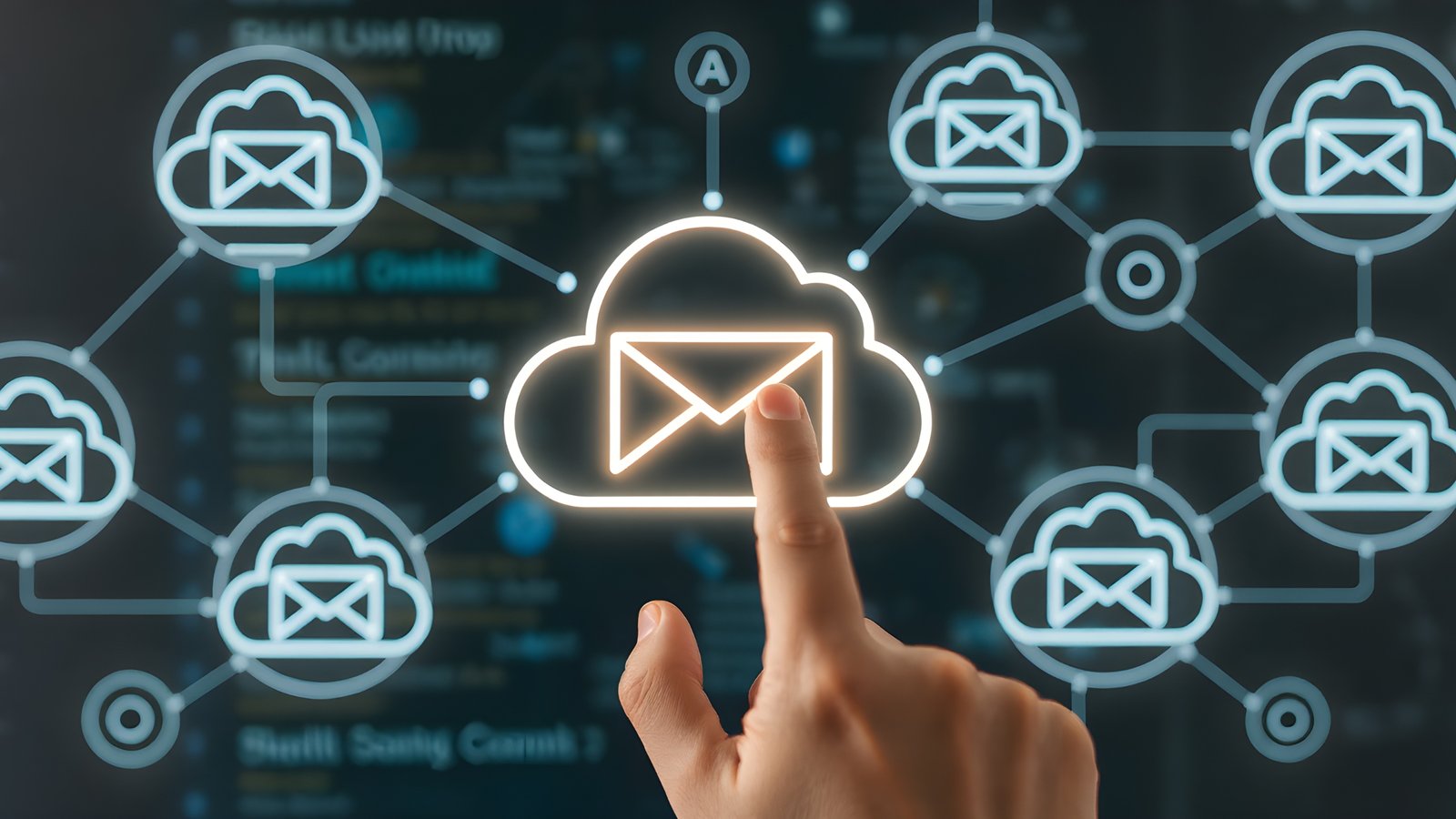
In today’s crowded digital landscape, generic emails no longer deliver results. Consumers expect relevant, timely, and meaningful communication. That’s where Email Marketing Personalization becomes a game-changer.
Modern businesses leveraging advanced Email Marketing strategies are seeing higher open rates, improved click-through rates, and stronger customer loyalty. Personalization is not just about inserting a first name in the subject line — it’s about delivering the right message to the right audience at the right time.
In this comprehensive guide, we explore how Email Marketing Personalization works, the best Customization Techniques, and how Email Automation and Email Segmentation can transform your marketing performance.
Why Email Marketing Personalization Matters More Than Ever
Email remains one of the highest ROI channels in Digital Marketing Services. However, inbox competition is intense. Users receive dozens of emails daily, and only highly relevant messages get attention.
Email Marketing Personalization helps businesses:
- Increase open rates
- Improve click-through rates
- Strengthen customer relationships
- Boost conversions
- Enhance brand loyalty
Personalized Email Campaigns make customers feel understood rather than targeted.
Understanding the Foundation of Email Marketing Personalization
Effective Email Marketing Personalization is built on data. The more relevant information you gather about your audience, the more customized your communication can be.
Key data sources include:
- Demographics
- Purchase history
- Website behavior
- Email engagement patterns
- Geographic location
- Customer preferences
With proper Email Segmentation, businesses can divide their audience into meaningful groups and deliver tailored content.
Email Segmentation: The Backbone of Personalization
Email Segmentation is one of the most powerful Email Marketing Strategies available.
Instead of sending the same message to your entire list, segmentation allows you to create targeted groups based on:
1. Behavioral Segmentation
- Past purchases
- Browsing history
- Abandoned carts
- Engagement frequency
2. Demographic Segmentation
- Age
- Gender
- Location
- Industry
3. Lifecycle Segmentation
- New subscribers
- Active customers
- Repeat buyers
- Inactive users
Well-structured Email Segmentation significantly improves the effectiveness of Personalized Email Campaigns.
Advanced Customization Techniques for Email Marketing
Moving beyond basic personalization unlocks real performance gains.
Dynamic Content Blocks
Dynamic content changes based on user data. For example:
- Different product recommendations
- Location-specific offers
- Industry-based messaging
This technique enhances Email Marketing Personalization without requiring multiple campaigns.
Personalized Subject Lines
Subject lines determine whether an email gets opened. Adding personalization increases open rates.
Examples:
- “John, Here’s a Special Offer Just for You”
- “Exclusive Deals in Your Area”
Strategic Email Marketing Strategies begin with attention-grabbing subject lines.
Behavioral Trigger Emails
Triggered emails are sent automatically based on user actions.
Common examples:
- Welcome emails
- Abandoned cart reminders
- Post-purchase follow-ups
- Re-engagement campaigns
Email Automation ensures timely communication without manual effort.
Product Recommendations
Using purchase or browsing data to recommend relevant products dramatically improves conversions.
Personalized Email Campaigns that include tailored suggestions feel helpful rather than promotional.
Personalized Send Time Optimization
Different users check emails at different times. Advanced Email Automation tools analyze behavior and send emails when individuals are most likely to engage.
The Role of Email Automation in Personalization
Email Automation enables scalable personalization. Without automation, delivering individualized communication to thousands of subscribers would be impossible.
Benefits of Email Automation:
- Consistent communication
- Reduced manual workload
- Improved targeting accuracy
- Higher efficiency
- Better campaign performance
Automation combined with Email Segmentation forms the core of modern Email Marketing.
Creating Personalized Email Campaigns That Convert
To maximize results, follow these steps:
Step 1: Collect Meaningful Data
Use website forms, surveys, and customer interactions to gather insights.
Step 2: Segment Your Audience
Group subscribers based on behavior and interests.
Step 3: Create Tailored Content
Develop content aligned with each segment’s needs.
Step 4: Implement Email Automation
Set up triggered workflows for timely engagement.
Step 5: Test and Optimize
Continuously analyze metrics to refine Email Marketing Strategies.
Metrics That Measure Personalization Success
Tracking performance ensures your Email Marketing Personalization strategy remains effective.
Key metrics include:
- Open rate
- Click-through rate
- Conversion rate
- Bounce rate
- Unsubscribe rate
- Revenue per email
Regular monitoring supports continuous improvement.
Common Personalization Mistakes to Avoid
While personalization improves performance, poor execution can backfire.
Avoid:
- Overusing personal data
- Sending irrelevant offers
- Failing to segment properly
- Ignoring data accuracy
- Over-automation without monitoring
Effective Email Marketing requires balance between automation and authenticity.
How Email Marketing Personalization Enhances Customer Experience
Personalized communication builds trust and long-term loyalty.
Customers appreciate:
- Relevant offers
- Helpful recommendations
- Timely reminders
- Valuable educational content
Strong Email Marketing Strategies create meaningful engagement rather than intrusive promotion.
Integrating Email Personalization into Digital Marketing Services
Email Marketing works best when aligned with broader Digital Marketing Services.
Integration opportunities include:
- CRM systems
- E-commerce platforms
- Social media campaigns
- Paid advertising retargeting
- Content marketing strategies
Unified data enhances Email Marketing Personalization across channels.
Future Trends in Email Marketing Personalization
The future of Email Marketing is data-driven and AI-powered.
Emerging trends include:
- AI-based predictive personalization
- Hyper-segmentation
- Interactive emails
- Real-time content updates
- Advanced customer journey mapping
Businesses adopting advanced Email Marketing Strategies will gain a competitive advantage.
Why Businesses Must Invest in Personalized Email Campaigns
Generic campaigns no longer drive growth. Personalized Email Campaigns are essential for:
- Increasing ROI
- Improving engagement
- Building customer loyalty
- Reducing churn
- Maximizing lifetime value
In today’s market, Email Marketing Personalization is not optional — it’s a necessity.
Final Thoughts: Turning Personalization into Profit
Email Marketing Personalization transforms ordinary campaigns into high-performing revenue channels. By leveraging Email Segmentation, Email Automation, and advanced Customization Techniques, businesses can create highly relevant and engaging experiences.
When implemented strategically, personalized email marketing:
- Increases open and click rates
- Boosts conversions
- Strengthens brand relationships
- Improves long-term customer retention
In the evolving digital landscape, personalization is the key to sustainable growth and competitive success.

Latest Blogs


Categories
Want To Explore More? Check Out Our
Related Blogs

 developer@webvisionsolution.com
March 9, 2026
developer@webvisionsolution.com
March 9, 2026
Content Marketing for Lead Generation: Strategies for Nurturing Prospects in 2026
In the evolving world of Influencer Marketing, brands are shifting focus from celebrity endorsements to…
 developer@webvisionsolution.com
March 9, 2026
developer@webvisionsolution.com
March 9, 2026
The Future of Affiliate Marketing: Trends and Predictions for Success
Affiliate marketing has consistently been a cornerstone of digital marketing strategies, helping businesses grow revenue…
 developer@webvisionsolution.com
March 9, 2026
developer@webvisionsolution.com
March 9, 2026
Google Ads Remarketing: Reaching Your Audience Wherever They Go”
In today’s competitive digital environment, capturing a potential customer’s attention just once isn’t enough. Users…