
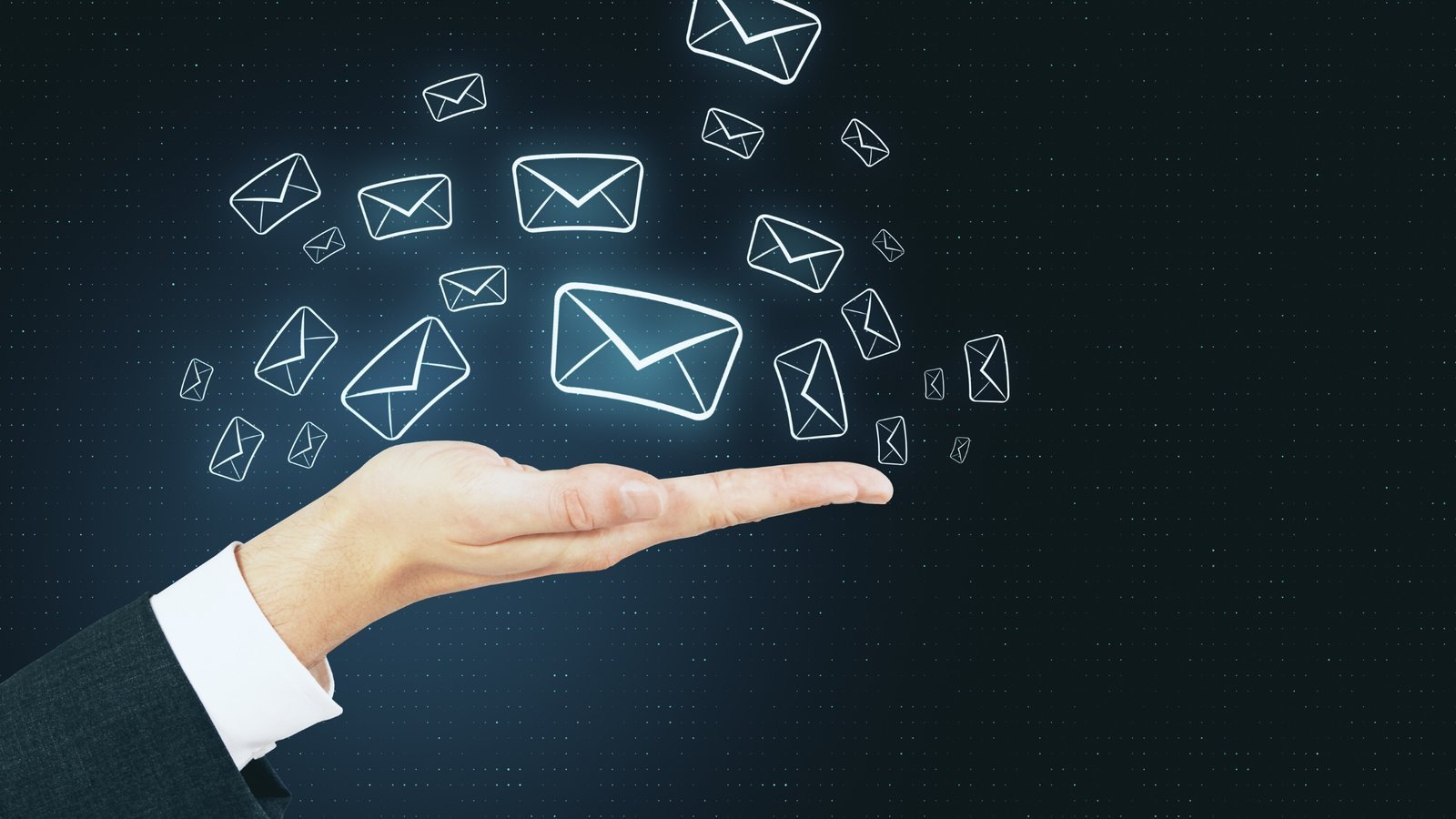
Email marketing has consistently delivered one of the highest returns on investment in digital marketing. However, traditional email strategies—bulk sends, static segmentation, and manual workflows—are no longer enough to compete in today’s data-driven environment.
This is where AI in Email Marketing is transforming the landscape. By combining intelligent data analysis with advanced Email Marketing Automation, businesses can now deliver hyper-personalized, predictive, and performance-driven AI Email Campaigns at scale.
In this comprehensive guide, we’ll explore how AI is reshaping email marketing, the benefits of predictive automation, implementation strategies, and how businesses can leverage these technologies to improve engagement, conversions, and long-term ROI.
The Evolution of AI in Email Marketing
Email marketing has evolved through several phases:
- Mass email blasts
- Basic list segmentation
- Behavior-triggered automation
- Data-driven personalization
- AI-powered predictive automation
Today, AI in Email Marketing goes beyond automation rules. It uses machine learning algorithms to analyze subscriber behavior, purchasing patterns, browsing activity, and engagement history to make real-time decisions.
Leading Marketing Automation Tools like Mailchimp, HubSpot, and Salesforce integrate AI features that continuously optimize email performance without manual intervention.
What Is AI in Email Marketing?
AI in Email Marketing refers to the use of artificial intelligence technologies—such as machine learning and predictive analytics—to enhance and automate email campaigns.
Unlike traditional automation, AI systems:
- Analyze large volumes of customer data
- Identify behavioral trends
- Predict future actions
- Automatically adjust campaigns
This enables smarter Email Marketing Automation that evolves over time.
How Email Marketing Automation Is Becoming Intelligent
Traditional Email Marketing Automation relied on simple “if-then” rules:
- If user signs up → send welcome email
- If user abandons cart → send reminder
AI enhances this by adding predictive logic. Instead of simply reacting, AI anticipates.
Predictive Triggering
Predictive Email Marketing analyzes historical data to determine:
- When a subscriber is most likely to purchase
- Which users are at risk of unsubscribing
- What product a customer may buy next
- The optimal time to send an email
This predictive intelligence significantly increases campaign effectiveness.
The Power of Email Personalization at Scale
Personalization is no longer optional—it’s expected.
With Email Personalization powered by AI, businesses can deliver:
- Personalized product recommendations
- Dynamic content blocks
- Location-based offers
- Personalized subject lines
- Customized call-to-actions
AI ensures that each subscriber receives relevant messaging based on behavior, not assumptions.
For example, instead of sending the same promotional email to 10,000 subscribers, AI Email Campaigns tailor content individually for each recipient.
Key Benefits of AI Email Campaigns
Implementing AI in Email Marketing delivers measurable advantages:
Higher Open Rates
AI optimizes subject lines and send times based on engagement history, increasing visibility in crowded inboxes.
Improved Click-Through Rates
Dynamic personalization ensures users see relevant content aligned with their interests.
Increased Conversion Rates
Predictive targeting sends offers to users who are most likely to convert.
Reduced Churn
AI detects declining engagement patterns and automatically triggers re-engagement campaigns.
Better ROI
Smarter targeting reduces wasted emails and improves campaign efficiency.
AI-Powered Segmentation and Predictive Email Marketing
Segmentation used to rely on basic filters like age, gender, or location. AI takes segmentation much further.
AI creates micro-segments based on:
- Purchase frequency
- Browsing behavior
- Email interaction patterns
- Device usage
- Engagement timing
Through Predictive Email Marketing, businesses can identify high-value customers and nurture them differently than first-time subscribers.
Real-World Applications of AI in Email Marketing
1. Abandoned Cart Recovery
AI detects incomplete purchases and sends highly personalized reminders with relevant product suggestions.
2. Post-Purchase Upselling
AI predicts complementary products and automatically sends follow-up recommendations.
3. Lifecycle Email Marketing Automation
From onboarding to loyalty campaigns, AI manages the entire customer lifecycle.
4. Re-Engagement Campaigns
AI identifies inactive users and deploys targeted incentives before they unsubscribe.
AI and Send-Time Optimization
One of the most powerful features of AI in Email Marketing is send-time optimization.
Instead of choosing a fixed time for all recipients, AI analyzes historical behavior to determine when each individual subscriber is most likely to open emails.
This significantly improves open rates and engagement metrics.
AI-Generated Subject Lines and Content
Advanced Marketing Automation Tools now offer AI-generated content capabilities.
AI can:
- Generate subject line variations
- Suggest optimized copy
- Recommend CTA placements
- Run automatic A/B testing
By continuously learning from performance data, AI refines messaging over time.
How to Implement AI in Email Marketing
Step 1: Choose the Right Marketing Automation Tools
Select platforms that support predictive analytics and AI-driven automation.
Step 2: Integrate Clean Data
AI depends on data quality. Ensure:
- CRM integration
- Accurate tracking
- Clean subscriber lists
- Behavioral data capture
Step 3: Start with High-Impact Workflows
Begin with:
- Welcome email sequences
- Abandoned cart automation
- Re-engagement campaigns
- Post-purchase follow-ups
These foundational workflows often produce immediate ROI improvements.
Step 4: Continuously Optimize AI Email Campaigns
Monitor:
- Open rates
- Click-through rates
- Conversion rates
- Revenue per email
- Subscriber churn
AI improves over time when continuously fed with performance data.
Challenges of AI in Email Marketing
While powerful, AI also presents challenges:
Data Privacy Compliance
Ensure compliance with regulations such as GDPR and CAN-SPAM.
Over-Automation Risks
Too much automation can reduce authenticity. Maintain human oversight.
Learning Curve
Advanced predictive systems require strategic implementation.
The Future of AI in Email Marketing
AI in Email Marketing will continue to evolve with:
- Real-time personalization
- Advanced behavioral prediction
- Deeper CRM integration
- Fully autonomous campaign optimization
- AI-powered conversational email experiences
As machine learning improves, Email Marketing Automation will become increasingly intelligent and self-optimizing.
Best Practices for Maximizing AI Email Campaign Performance
To fully leverage AI:
- Focus on meaningful Email Personalization
- Prioritize data accuracy
- Test continuously
- Maintain brand voice consistency
- Combine human creativity with AI intelligence
AI should enhance strategy—not replace thoughtful marketing planning.
Final Thoughts
AI in Email Marketing is no longer a future trend—it is a present-day competitive advantage.
By integrating intelligent Email Marketing Automation and Predictive Email Marketing strategies, businesses can:
- Deliver personalized customer experiences
- Improve engagement and conversions
- Increase marketing efficiency
- Drive sustainable ROI growth
Organizations that adopt AI-driven automation today will position themselves ahead of competitors in tomorrow’s digital landscape.

Latest Blogs


Categories
Want To Explore More? Check Out Our
Related Blogs

 Hyphen Softech
March 9, 2026
Hyphen Softech
March 9, 2026
Content Marketing for Lead Generation: Strategies for Nurturing Prospects in 2026
In today’s competitive digital landscape, simply generating traffic isn’t enough. Businesses need strategies to attract,…
 Hyphen Softech
March 9, 2026
Hyphen Softech
March 9, 2026
The Future of Affiliate Marketing: Trends and Predictions for Success
Affiliate marketing has consistently been a cornerstone of digital marketing strategies, helping businesses grow revenue…
 Hyphen Softech
March 9, 2026
Hyphen Softech
March 9, 2026
Google Ads Remarketing: Reaching Your Audience Wherever They Go”
In today’s competitive digital environment, capturing a potential customer’s attention just once isn’t enough. Users…