
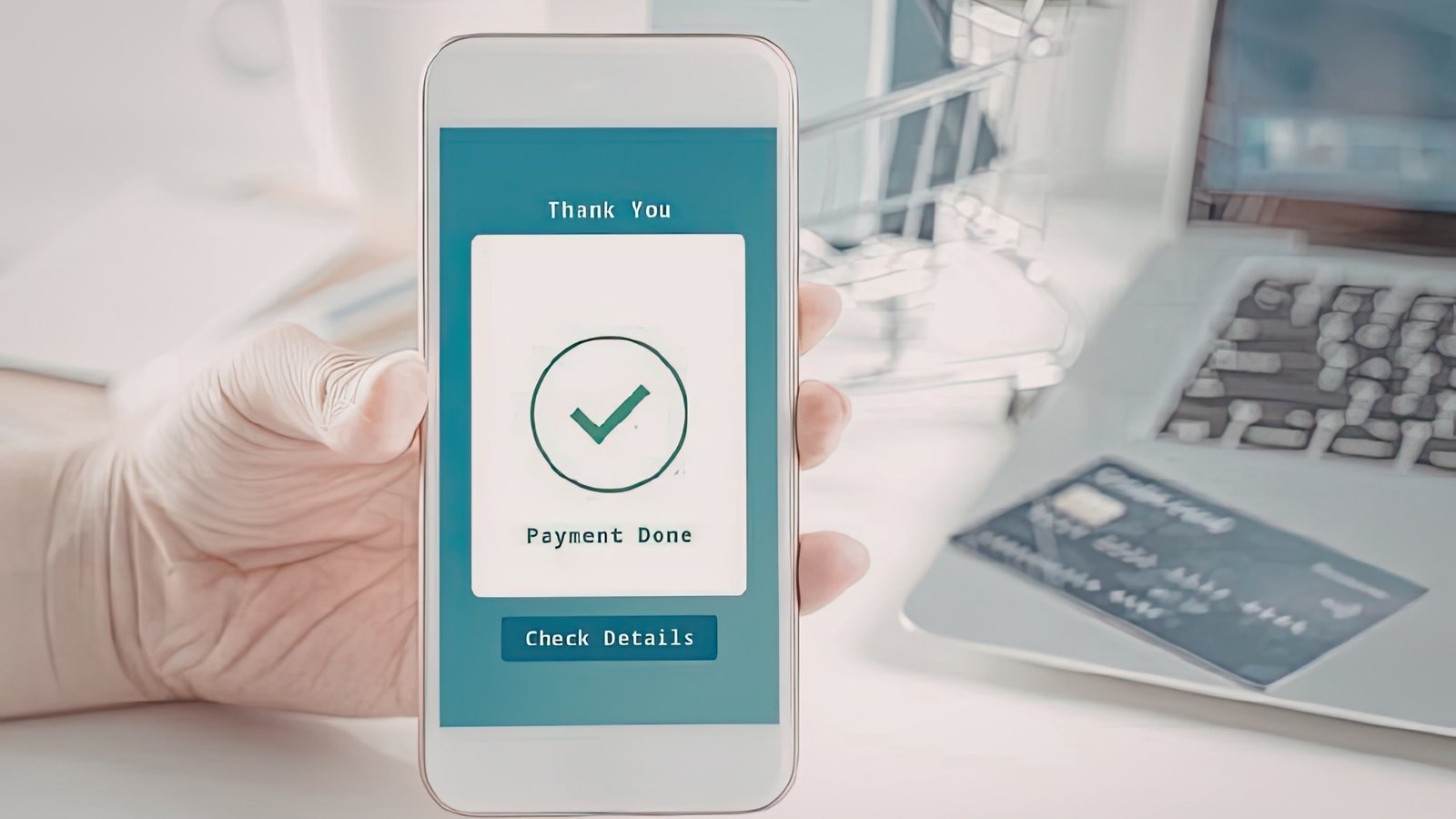
In today’s digital marketplace, trust is everything. Customers expect fast, seamless, and secure online transactions when shopping. Without proper Secure Payment Gateway Integration, your online store risks data breaches, failed transactions, and lost customer confidence.
A secure payment gateway ensures that sensitive customer information — such as credit card details and personal data — is encrypted and processed safely. Whether you’re launching a new eCommerce website or optimizing an existing one, integrating the right payment solution is critical for long-term success.
This guide explains everything you need to know about secure payment gateway integration for online stores.
What Is a Payment Gateway?
A payment gateway is a technology that securely transfers payment information between your website, the customer’s bank, and your merchant account.
It acts as a bridge that:
- Encrypts sensitive payment data
- Authorizes transactions
- Confirms payments
- Transfers funds securely
Popular payment gateways include:
- PayPal
- Stripe
- Square
- Authorize.net
Choosing the right gateway depends on your business model, transaction volume, and target market.
Why Secure Payment Gateway Integration Matters
Security is non-negotiable in eCommerce. A single data breach can damage your brand reputation and lead to legal penalties.
Key Benefits of Secure Payment Integration
1. Protects Customer Data
Secure gateways use encryption and tokenization to safeguard credit card details and personal information.
2. Ensures PCI Compliance
Payment Card Industry Data Security Standard (PCI DSS) compliance is mandatory for businesses handling card payments.
Secure gateways help maintain compliance by:
- Encrypting cardholder data
- Preventing unauthorized access
- Monitoring suspicious activity
3. Builds Customer Trust
Customers are more likely to complete purchases when they see trusted payment options and security badges.
4. Reduces Fraud and Chargebacks
Advanced fraud detection tools monitor suspicious behavior, reducing the risk of fraudulent transactions.
5. Supports Global Transactions
Secure payment gateways allow multi-currency processing and international transactions, helping businesses expand globally.
Key Security Features to Look For
When integrating a payment gateway for online stores, ensure it includes:
🔒 SSL Encryption
Secure Socket Layer (SSL) encrypts data during transmission, protecting it from interception.
🔐 Tokenization
Tokenization replaces sensitive data with unique tokens, minimizing exposure of payment details.
🛡 Fraud Detection Systems
Look for AI-based fraud prevention tools that detect unusual transaction patterns.
🔎 Two-Factor Authentication (2FA)
Adds an extra layer of security for transaction verification.
📊 Real-Time Monitoring
Helps track suspicious activity and detect potential breaches quickly.
Steps for Secure Payment Gateway Integration
1. Choose the Right Payment Gateway
Select a gateway that aligns with your business needs, supports your region, and offers strong security features.
2. Ensure SSL Certification
Your website must have an active SSL certificate before integrating any payment system.
3. Integrate via API or Plugin
Depending on your platform:
- Use API integration for custom websites
- Install plugins for platforms like Shopify
- Use extensions for WooCommerce
4. Test Transactions
Run sandbox tests to ensure:
- Successful payment processing
- Accurate order confirmation
- Secure data transmission
5. Monitor and Maintain
Regularly update your platform, plugins, and security patches to prevent vulnerabilities.
Common Payment Gateway Integration Mistakes
Avoid these common errors:
- Ignoring PCI compliance requirements
- Using outdated plugins
- Failing to implement SSL encryption
- Not testing payment workflows
- Choosing gateways with hidden fees
Proper planning prevents costly issues and downtime.
Hosted vs Self-Hosted Payment Gateways
Hosted Payment Gateway
Customers are redirected to a third-party payment page.
Pros:
- Higher security
- Easier compliance
- Lower maintenance
Cons:
- Less customization
Self-Hosted Payment Gateway
Customers complete payment directly on your website.
Pros:
- Seamless user experience
- Full branding control
Cons:
- Greater security responsibility
Choose based on your technical capabilities and risk tolerance.
How Secure Payment Integration Improves Conversion Rates
Security directly impacts sales. When customers feel safe, they are more likely to complete purchases.
Secure payment integration:
- Reduces cart abandonment
- Builds credibility
- Improves checkout experience
- Encourages repeat purchases
Trust leads to higher customer lifetime value.
Future Trends in Payment Gateway Security
The eCommerce landscape is evolving rapidly. Emerging trends include:
- Biometric authentication
- AI-powered fraud detection
- Blockchain-based payment verification
- Contactless and digital wallet payments
- Enhanced data encryption standards
Staying updated ensures your online store remains competitive and secure.
Final Thoughts
Secure Payment Gateway Integration is not just a technical requirement — it’s a critical foundation for eCommerce success.
By choosing a reliable payment gateway, ensuring PCI compliance, implementing strong encryption, and maintaining regular security updates, you protect both your business and your customers.
A secure online store builds trust, increases conversions, and supports long-term growth in today’s competitive digital marketplace.

Latest Blogs



Categories
Want To Explore More? Check Out Our
Related Blogs

 Hyphen Softech
March 9, 2026
Hyphen Softech
March 9, 2026
Content Marketing for Lead Generation: Strategies for Nurturing Prospects in 2026
In today’s competitive digital landscape, simply generating traffic isn’t enough. Businesses need strategies to attract,…
 Hyphen Softech
March 9, 2026
Hyphen Softech
March 9, 2026
The Future of Affiliate Marketing: Trends and Predictions for Success
Affiliate marketing has consistently been a cornerstone of digital marketing strategies, helping businesses grow revenue…
 Hyphen Softech
March 9, 2026
Hyphen Softech
March 9, 2026
Google Ads Remarketing: Reaching Your Audience Wherever They Go”
In today’s competitive digital environment, capturing a potential customer’s attention just once isn’t enough. Users…