
In today’s competitive online landscape, businesses constantly evaluate which promotional strategies generate the best results. One of the most common debates in the industry is Affiliate Marketing vs Influencer Marketing. While both approaches involve third-party promotion, they serve different purposes within a broader digital strategy.
For businesses working with a Digital Marketing Agency or seeking professional Digital Marketing Services, understanding the differences between these two models is essential for maximizing ROI and building long-term brand growth.
This article explores how Affiliate Marketing and Influencer Marketing work, their key differences, advantages, challenges, and how a Digital Marketing Company can strategically combine both for optimal performance.
Understanding Affiliate Marketing
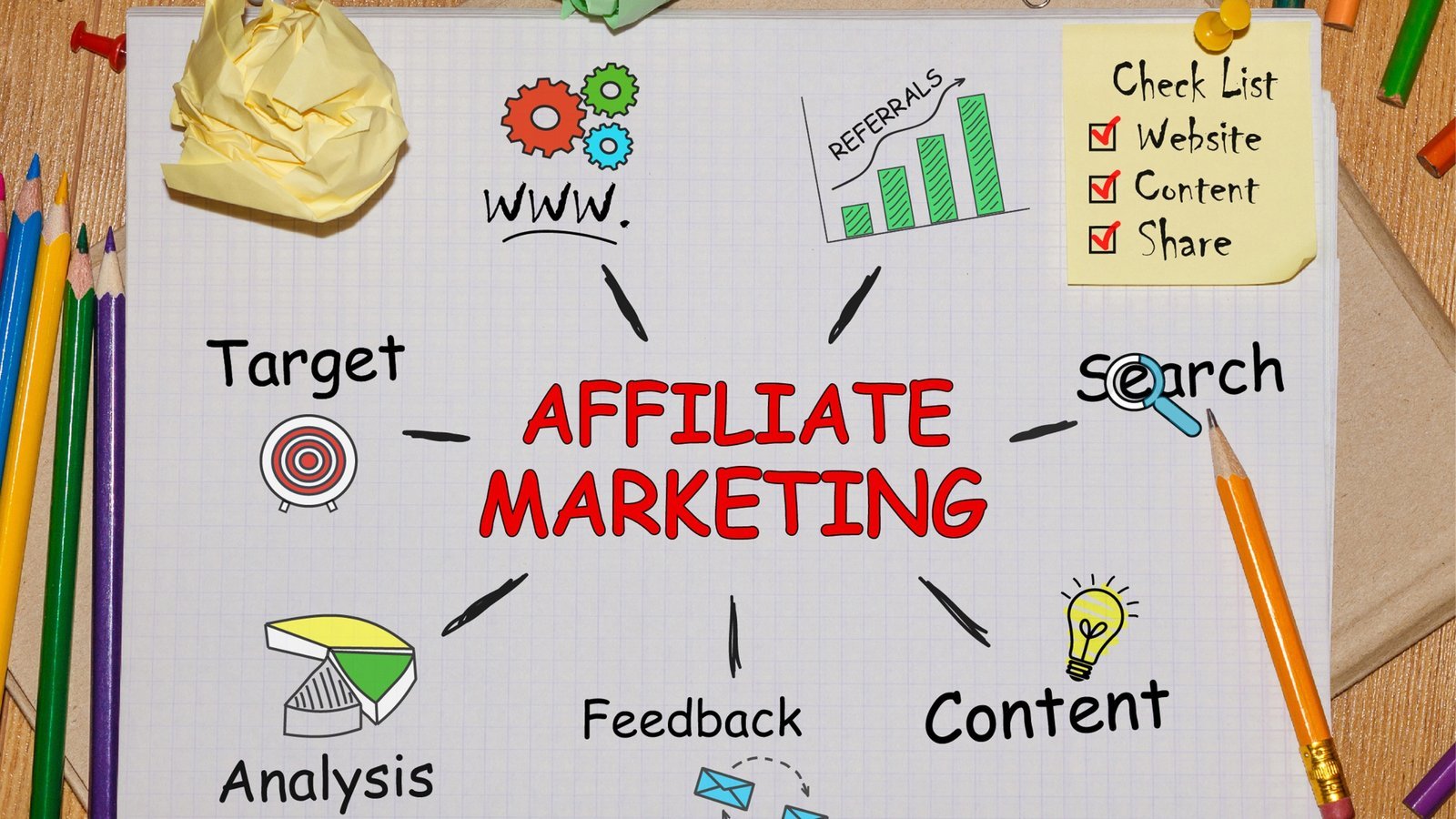
Affiliate marketing is a performance-based model where partners (affiliates) promote a company’s products or services in exchange for commission-based compensation.
How an Affiliate Marketing Program Works
An Affiliate Marketing Program typically follows this structure:
- A business partners with affiliates.
- Affiliates receive unique tracking links.
- They promote products via blogs, niche websites, email marketing, or paid ads.
- The business pays commissions for verified sales or leads.
Affiliate marketing is heavily data-driven and measurable, making it a popular choice for performance-focused Digital Marketing Solutions.
Key Characteristics of Affiliate Marketing
- Commission-based payment structure
- Conversion-focused campaigns
- Advanced tracking and analytics
- Scalable and low-risk investment
- Ideal for measurable ROI
For many brands, affiliate marketing is a core component of their digital marketing ecosystem because it aligns directly with revenue growth.
Understanding Influencer Marketing
Influencer marketing revolves around collaborating with content creators who have a loyal and engaged audience. Instead of focusing purely on performance, it emphasizes trust, authenticity, and brand storytelling.
What Is an Influencer Marketing Strategy?
An effective Influencer Marketing Strategy involves:
- Identifying influencers aligned with your niche
- Creating authentic promotional content
- Leveraging social proof to build brand awareness
- Driving engagement and community growth
Unlike affiliate marketing, influencer marketing often involves upfront payments or product exchanges rather than performance-based commissions.
Key Characteristics of Influencer Marketing
- Audience trust and credibility
- Brand awareness focus
- Emotional connection with followers
- Platform-driven engagement (social media, video, content platforms)
For businesses focused on reputation and visibility, influencer marketing plays a critical role within broader Digital Marketing Services.
Affiliate Marketing vs Influencer Marketing: Core Differences
Although both strategies rely on third-party promotion, the objectives and execution differ significantly.
1. Payment Structure
Affiliate Marketing:
- Commission-based
- Pay only for results
Influencer Marketing:
- Flat fee or sponsorship-based
- Payment often not directly tied to conversions
This makes affiliate marketing more performance-driven, while influencer marketing is brand-driven.
2. Primary Goal
Affiliate marketing focuses on:
- Sales generation
- Lead acquisition
- Conversion optimization
Influencer marketing focuses on:
- Brand awareness
- Audience trust
- Community building
A professional Digital Marketing Company typically recommends affiliate marketing for direct revenue goals and influencer marketing for long-term brand positioning.
3. Content Style and Control
Affiliate content often includes:
- Product comparisons
- Reviews
- SEO-optimized blogs
- Email promotions
Influencer content usually includes:
- Lifestyle integration
- Personal recommendations
- Storytelling videos
- Social media posts
Influencer content tends to feel more organic, while affiliate content is more transactional.
4. Measurement and Tracking
Affiliate marketing provides:
- Precise tracking links
- Conversion metrics
- ROI dashboards
- Commission analytics
Influencer marketing measures:
- Engagement rates
- Impressions
- Reach
- Brand mentions
While both are measurable, affiliate marketing offers clearer performance data.
Advantages of Affiliate Marketing for Digital Growth
Affiliate marketing is highly attractive for businesses seeking scalable Digital Marketing Solutions.
Performance-Based Investment
You only pay for successful outcomes, making it cost-efficient and low-risk.
Scalability
An Affiliate Marketing Program can expand quickly by onboarding multiple affiliates across industries and niches.
Strong SEO Integration
Many affiliates rely on search engine optimization, which enhances organic visibility and long-term traffic growth.
Higher ROI Potential
Because compensation is performance-based, ROI tracking is transparent and measurable.
Advantages of Influencer Marketing in Modern Digital Marketing Services
Influencer marketing provides a unique edge when it comes to audience trust and brand storytelling.
Builds Trust Quickly
Followers often view influencers as trusted voices, which accelerates credibility.
Enhances Brand Awareness
Influencers expose brands to new, highly targeted audiences.
Humanizes the Brand
Authentic storytelling makes brands relatable and emotionally engaging.
Supports Product Launches
For new products, influencer campaigns can generate instant buzz and engagement.
When Should You Choose Affiliate Marketing?
A Digital Marketing Agency may recommend affiliate marketing when:
- Your goal is direct sales growth
- You want measurable ROI
- You operate in e-commerce or SaaS
- You have strong conversion funnels
Affiliate marketing works exceptionally well for businesses focused on scaling revenue through performance marketing.
When Should You Choose Influencer Marketing?
Influencer marketing is ideal when:
- You’re launching a new product
- You need strong brand visibility
- Your target audience is active on social media
- You want to build trust quickly
Businesses looking for brand positioning and emotional engagement often prioritize influencer campaigns.
Can You Combine Affiliate Marketing and Influencer Marketing?
Yes — and many successful brands do exactly that.
A strategic Digital Marketing Company often integrates both models to maximize results.
Hybrid Model Strategy
- Influencers create awareness and social proof.
- Influencers receive affiliate links.
- Sales are tracked and commissions are paid.
This hybrid approach merges credibility with performance, offering the best of both worlds.
How a Digital Marketing Agency Can Help
Choosing between Affiliate Marketing vs Influencer Marketing is not about selecting one over the other — it’s about aligning strategies with business objectives.
Professional Digital Marketing Services help businesses:
- Define measurable goals
- Identify ideal partners
- Build structured affiliate programs
- Develop effective influencer campaigns
- Track performance and optimize ROI
A results-driven Digital Marketing Agency ensures both strategies work cohesively rather than independently.
Final Thoughts on Affiliate Marketing vs Influencer Marketing
The debate around Affiliate Marketing vs Influencer Marketing isn’t about which is better — it’s about which aligns with your business goals.
Affiliate marketing delivers measurable conversions and scalable growth.
Influencer marketing builds trust, authority, and brand recognition.
When combined strategically, they create powerful Digital Marketing Solutions that drive both immediate revenue and long-term brand equity.
Businesses that understand these differences — and implement them effectively — position themselves for sustained success in today’s competitive digital landscape.

Latest Blogs



Categories
Want To Explore More? Check Out Our
Related Blogs

 Hyphen Softech
March 9, 2026
Hyphen Softech
March 9, 2026
Content Marketing for Lead Generation: Strategies for Nurturing Prospects in 2026
In today’s competitive digital landscape, simply generating traffic isn’t enough. Businesses need strategies to attract,…
 Hyphen Softech
March 9, 2026
Hyphen Softech
March 9, 2026
The Future of Affiliate Marketing: Trends and Predictions for Success
Affiliate marketing has consistently been a cornerstone of digital marketing strategies, helping businesses grow revenue…
 Hyphen Softech
March 9, 2026
Hyphen Softech
March 9, 2026
Google Ads Remarketing: Reaching Your Audience Wherever They Go”
In today’s competitive digital environment, capturing a potential customer’s attention just once isn’t enough. Users…