
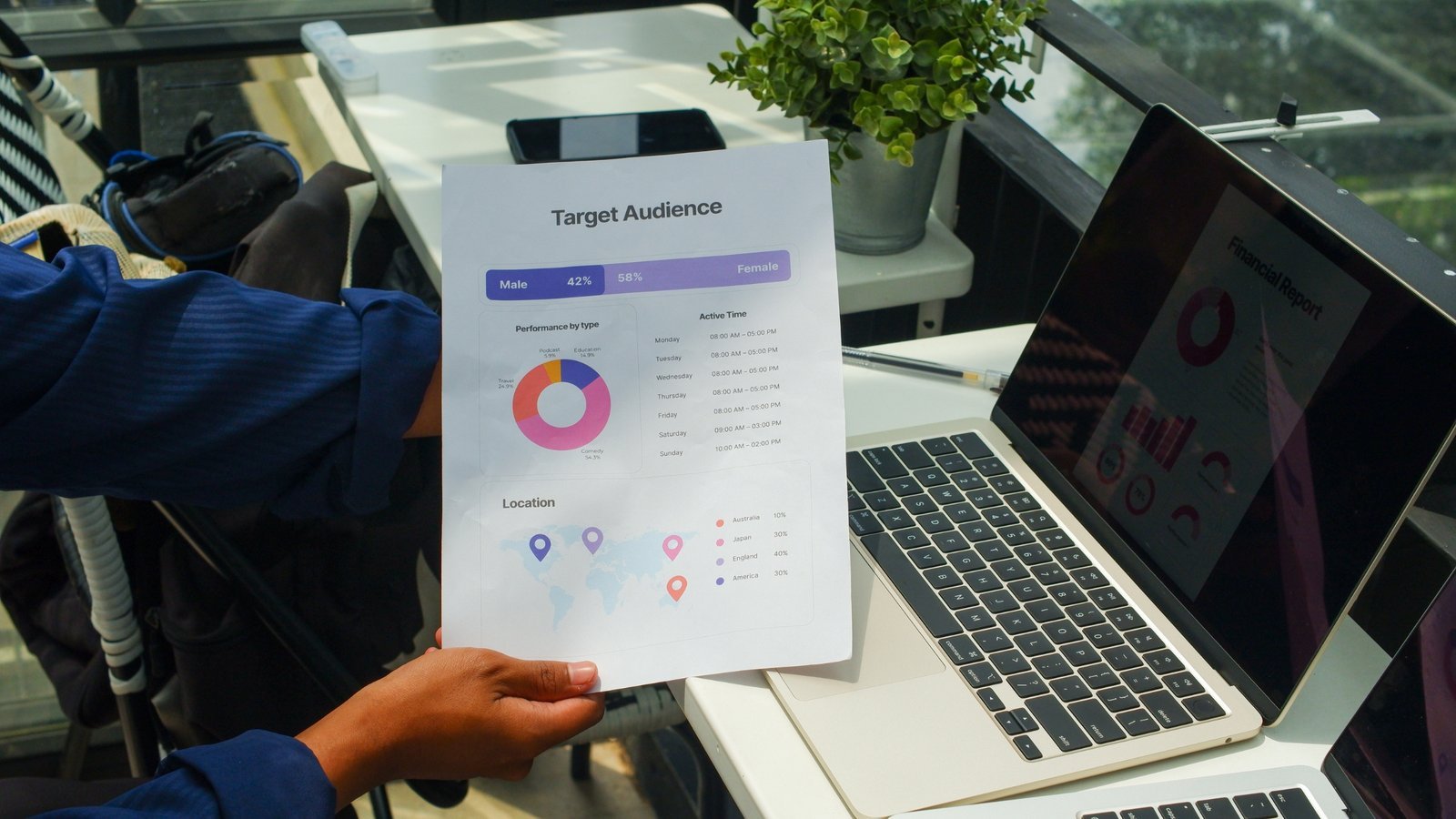
In today’s competitive digital landscape, PPC Advertising has become one of the most effective ways to generate instant traffic, leads, and sales. However, running ads alone is not enough. The true power of Pay Per Click campaigns lies in precision targeting—reaching the right audience at the right time with the right message.
Without accurate targeting, businesses risk wasting budget on clicks that never convert. A well-structured Digital Marketing Strategy combined with expert PPC Management ensures every advertising dollar works harder.
In this comprehensive guide, we’ll explore how to target the right audience in PPC Advertising and maximize campaign performance.
Why Audience Targeting Is Critical in PPC Advertising
The success of any PPC campaign depends heavily on who sees your ads. Even the most compelling ad copy will fail if shown to the wrong audience.
Key Benefits of Precision Targeting
- Higher conversion rates
- Lower cost per acquisition (CPA)
- Improved click-through rate (CTR)
- Better return on ad spend (ROAS)
- Reduced wasted budget
Strategic PPC Services focus on identifying and targeting high-intent users to drive measurable results.
Understanding Your Target Audience
Before launching any PPC Advertising campaign, you must define your ideal customer.
Create Detailed Buyer Personas
Identify:
- Age and gender
- Location
- Income level
- Interests and behaviors
- Pain points and challenges
- Buying motivations
The more detailed your persona, the more precise your Pay Per Click targeting can be.
Analyze Existing Customer Data
Use insights from:
- Website analytics
- CRM data
- Social media engagement
- Past campaign performance
Data-driven insights strengthen your Online Advertising efforts.
Keyword Targeting Strategies for PPC Advertising
Keywords are the foundation of Pay Per Click campaigns.
Focus on High-Intent Keywords
Target keywords that indicate buying intent, such as:
- “Buy now”
- “Best price”
- “Near me”
- “Top service provider”
High-intent keywords increase the likelihood of conversions.
Use Long-Tail Keywords
Longer keyword phrases often:
- Have lower competition
- Cost less per click
- Attract more qualified traffic
Implement Negative Keywords
Negative keywords prevent ads from appearing for irrelevant searches, reducing wasted spend.
Professional PPC Management includes continuous keyword optimization to improve performance.
Leveraging Audience Segmentation in PPC Campaigns
Audience segmentation enhances targeting precision.
Demographic Targeting
Customize campaigns based on:
- Age groups
- Gender
- Household income
- Parental status
Geographic Targeting
Location-based targeting ensures your ads reach users in specific cities, regions, or countries.
Device Targeting
Optimize ads for:
- Mobile users
- Desktop users
- Tablet users
Each device type may require different messaging and landing page experiences.
Behavioral and Interest-Based Targeting
Modern PPC Advertising platforms offer advanced targeting capabilities.
Interest Targeting
Reach users based on their browsing behavior and interests.
In-Market Audiences
Target users actively researching products or services similar to yours.
Remarketing Campaigns
Remarketing allows you to:
- Re-engage website visitors
- Target cart abandoners
- Nurture leads who didn’t convert
Remarketing is one of the most effective PPC Services strategies for boosting conversions.
Crafting Personalized Ad Copy
Precise targeting must be paired with relevant messaging.
Align Ads with User Intent
Ensure ad copy directly addresses the search query.
Highlight Unique Value Propositions
Show why your business stands out.
Include Strong Calls-to-Action (CTA)
Examples include:
- “Get a Free Quote”
- “Shop Now”
- “Book Today”
Personalized messaging enhances Pay Per Click campaign performance.
Landing Page Optimization for Better Conversions
Targeting the right audience is only half the equation. Your landing page must convert them.
Maintain Message Consistency
Ensure the landing page matches the ad’s promise.
Simplify Forms
Reduce friction by limiting unnecessary fields.
Optimize for Mobile
Mobile-friendly landing pages improve Online Advertising results.
Strong PPC Management includes continuous landing page testing and optimization.
Budget Allocation and Bid Strategy
Effective PPC Advertising requires smart budget management.
Use Smart Bidding Strategies
Options include:
- Target CPA
- Maximize conversions
- Target ROAS
Allocate Budget to High-Performing Campaigns
Analyze performance data regularly and shift budgets accordingly.
A strategic Digital Marketing Strategy ensures optimal resource distribution.
A/B Testing for Precision Optimization
Continuous testing improves campaign efficiency.
Test Ad Variations
Experiment with:
- Headlines
- Descriptions
- CTAs
- Display URLs
Test Audience Segments
Compare performance across different demographics and interest groups.
Ongoing optimization is a core component of successful PPC Services.
Measuring PPC Advertising Performance
Tracking performance helps refine targeting strategies.
Key Metrics to Monitor
- Click-through rate (CTR)
- Cost per click (CPC)
- Conversion rate
- Cost per acquisition (CPA)
- Return on ad spend (ROAS)
Data-driven PPC Management ensures consistent improvement.
Common Mistakes in PPC Targeting
Targeting Too Broad an Audience
Broad targeting increases costs and lowers conversion rates.
Ignoring Negative Keywords
Failure to exclude irrelevant searches wastes budget.
Neglecting Remarketing
Missing out on re-engagement opportunities limits potential conversions.
Not Adjusting Campaigns Regularly
PPC Advertising requires continuous monitoring and refinement.
Avoiding these mistakes ensures greater precision and profitability.
Integrating PPC Advertising into Your Digital Marketing Strategy
PPC Advertising should not operate in isolation.
Combine PPC with SEO
While PPC drives immediate traffic, SEO builds long-term visibility.
Align PPC with Social Media Campaigns
Consistent messaging strengthens brand recognition.
Use Data to Inform Other Channels
Insights from Pay Per Click campaigns can guide broader marketing decisions.
A comprehensive Digital Marketing Strategy maximizes overall performance.
Why Invest in Professional PPC Services?
Managing PPC campaigns effectively requires expertise and ongoing optimization.
Professional PPC Services provide:
- Advanced keyword research
- Audience segmentation strategies
- Bid management
- A/B testing
- Performance reporting
Partnering with experts ensures your PPC Advertising campaigns achieve measurable results and sustained growth.
Future Trends in PPC Advertising
The future of Pay Per Click continues to evolve with technology.
Emerging trends include:
- AI-driven bidding strategies
- Automated audience segmentation
- Enhanced personalization
- Voice search PPC integration
- Data-driven predictive targeting
Staying ahead of these trends strengthens your Online Advertising strategy.
Final Thoughts: Precision Is the Key to PPC Success
In PPC Advertising, precision is everything. Targeting the right audience ensures your ads reach users who are most likely to convert, improving ROI and reducing wasted spend.
By combining detailed audience research, advanced segmentation, optimized landing pages, and continuous testing, businesses can achieve measurable success with Pay Per Click campaigns.
A well-structured Digital Marketing Strategy supported by expert PPC Management turns advertising budgets into sustainable growth opportunities. Invest in precision targeting today to maximize the impact of your PPC Advertising efforts.

Latest Blogs



Categories
Want To Explore More? Check Out Our
Related Blogs

 Hyphen Softech
March 9, 2026
Hyphen Softech
March 9, 2026
Content Marketing for Lead Generation: Strategies for Nurturing Prospects in 2026
In today’s competitive digital landscape, simply generating traffic isn’t enough. Businesses need strategies to attract,…
 Hyphen Softech
March 9, 2026
Hyphen Softech
March 9, 2026
The Future of Affiliate Marketing: Trends and Predictions for Success
Affiliate marketing has consistently been a cornerstone of digital marketing strategies, helping businesses grow revenue…
 Hyphen Softech
March 9, 2026
Hyphen Softech
March 9, 2026
Google Ads Remarketing: Reaching Your Audience Wherever They Go”
In today’s competitive digital environment, capturing a potential customer’s attention just once isn’t enough. Users…